Take on five more clients without breaking delivery.
We map the workflows, decisions, and handoffs that keep founder-led service businesses at capacity. Then our team builds the automations and AI systems that create room to grow.
Best fit: a small, capable team at capacity, with a founder still in the mix.
Capacity is not a demand problem.
At this stage, growth creates pressure across delivery, handoffs, approvals, and margin. Here is what that pressure looks like day to day:
Five new clients would strain delivery
The opportunity is there. The team is already full, so new revenue creates late work, rushed handoffs, and margin pressure.
The SOP exists, but the work comes back
Your team used the documentation during onboarding. Now exceptions, questions, and approvals still find their way back to the founder.
The founder is still the approval layer
Projects move until someone needs context, judgment, or a decision. Then everything waits for the person who is already carrying the most.
Improvement work never reaches the calendar
Everyone has enough time to perform their role. Nobody has spare time to map the work, remove friction, or prepare it for a new hire or agent.
The next system has to create capacity without stripping out the judgment and quality that made the business successful.
Good automation starts before the software.
We start with the opportunity, follow the work from trigger to outcome, and decide where people, process, and automation belong.
Bring a goal, event, recurring problem, or new idea. You do not need a finished workflow or a stack of documentation before we begin.
We make the trigger, assets, handoffs, decisions, and finish line visible. That gives every tool and agent a clear job.
Repeatable steps can move automatically. Decisions that need context stay with people, with the right information arriving at the right moment.
Map the opportunity. Build the system. Improve what runs.
Start with a conversation. The 90-minute mapping session is the first paid offer, and every step after it is scoped around the system you actually need.
The system follows the opportunity.
Some builds are visible, like a landing page or client portal. Others run behind the scenes through agents, APIs, webhooks, and connectors. The job determines the build.
Lead capture and qualification
Turn attention from content, events, referrals, or outreach into qualified conversations with clear routing and follow-up.
Client onboarding and handoffs
Move a new client from signed to ready without missing context, chasing assets, or routing every exception through the founder.
Delivery capacity
Make ownership, approvals, dependencies, and finish lines visible so the team can absorb more work without lowering quality.
Founder content systems
Turn the founder's ideas, conversations, and expertise into a repeatable research, creation, review, and publishing flow.
SOP-to-agent workflows
Use the procedures you already have to give agents a clear job, boundaries, source material, and a human exception path.
The work should be visible.
These are systems already built. When a result can be attributed, it gets published with the context needed to understand it.
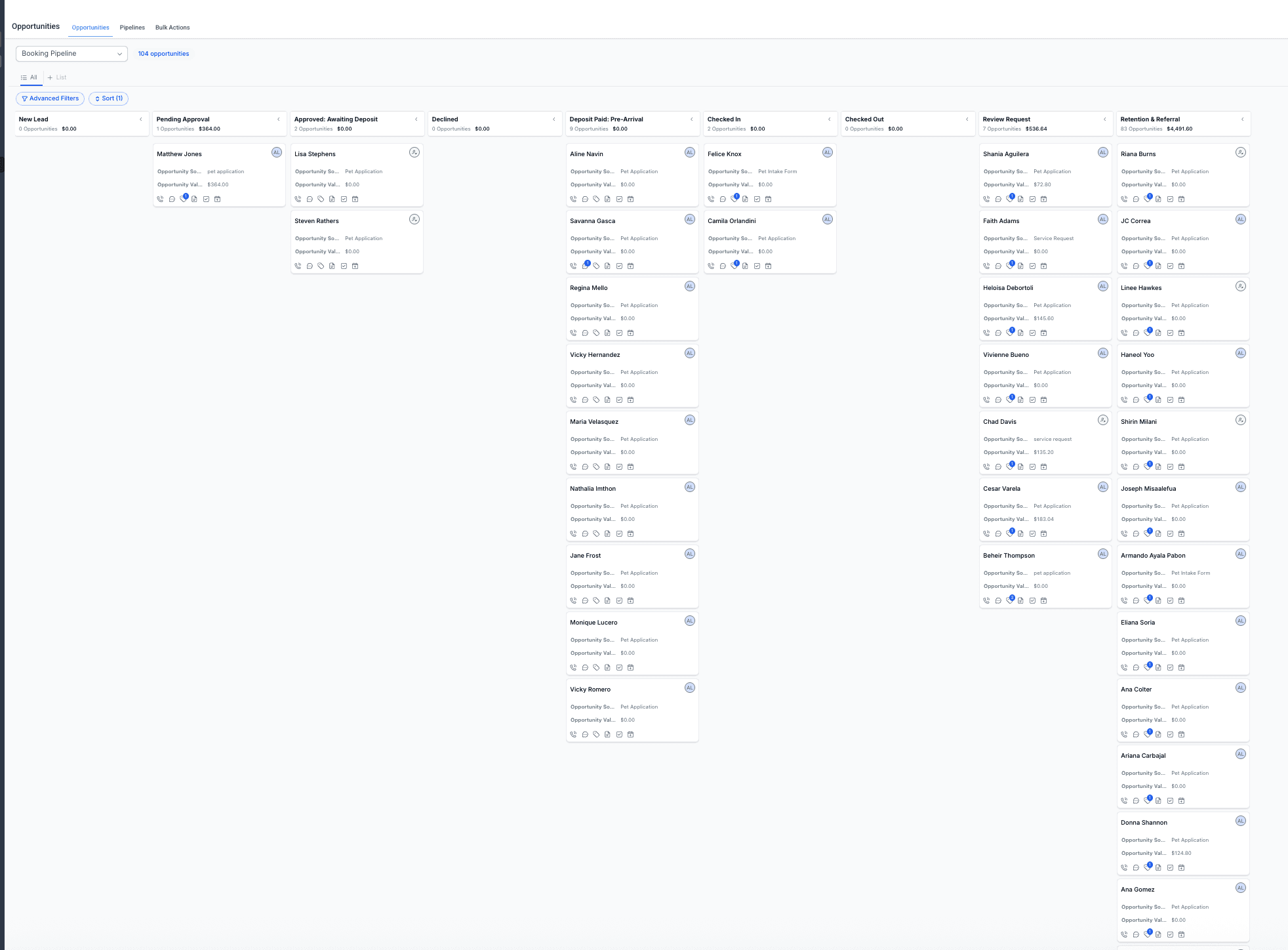
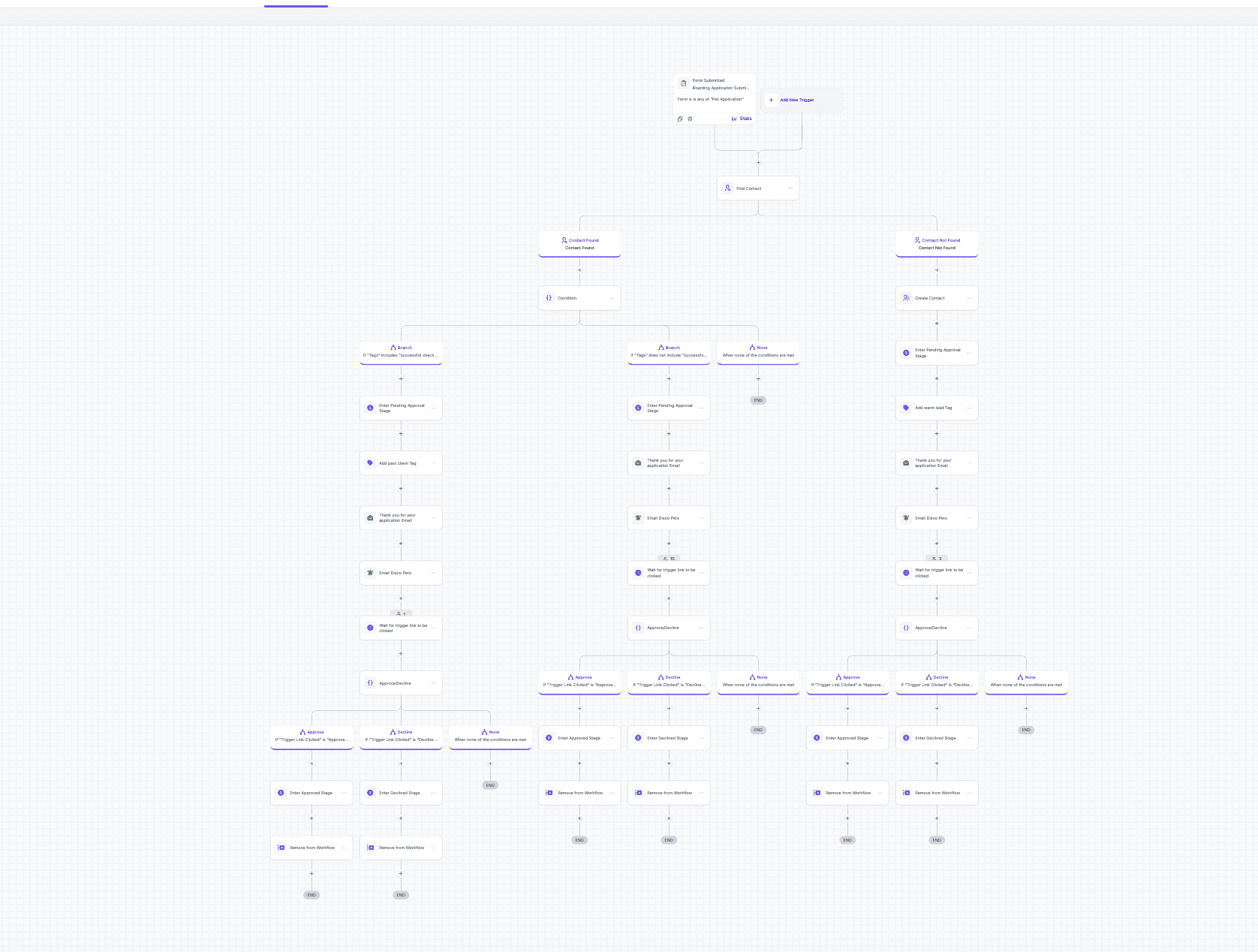
We map the system. Our team builds it.
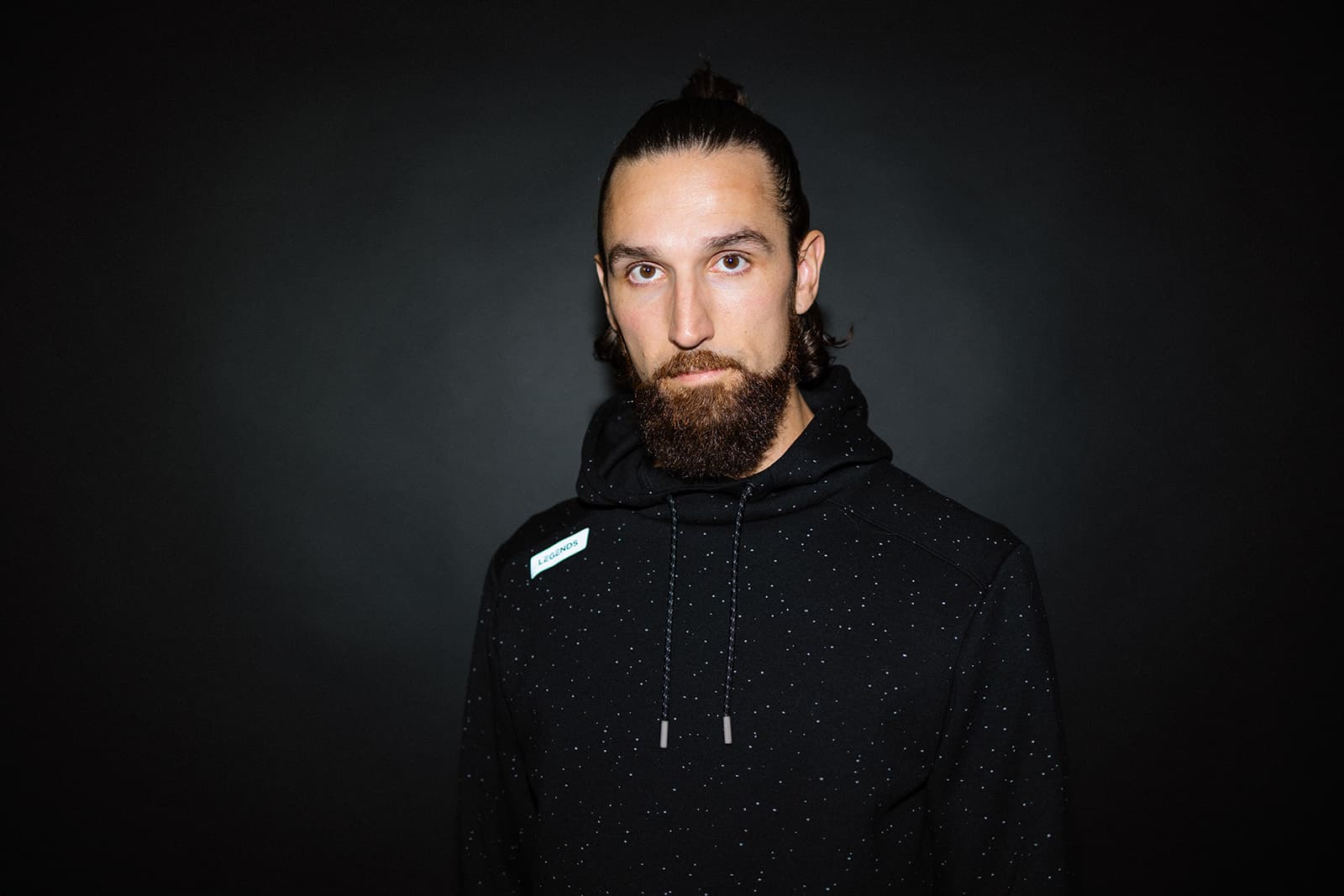
Austin leads the Clarity Call and mapping session so the strategy stays close to the founder and the real work. Together, we make the hidden decisions visible and turn the opportunity into a system the team can run.
Once the system is mapped, our team can build the pages, workflows, automations, agents, APIs, and connectors it needs. One company owns the thinking, the build, and the ongoing improvement.
Austin Willman, AI-native systems engineer and founder
Designed for a specific stage of growth.
Strong fit
- You run a founder-led service business doing roughly $3M to $7M.
- You have a small, capable team that is close to capacity.
- You can name an opportunity, challenge, event, or idea worth building around.
- The founder still carries decisions, context, approvals, or handoffs the team needs.
Poor fit
- The business is too early to have repeatable work or a team to run it.
- You want an AI tool before deciding how the work should operate.
- You expect automation to replace every decision that requires human judgment.
- You cannot make time to supply context, review the map, or approve the build.
What founders ask before they book.
What is a Clarity Call?
A free 30-minute conversation with Austin Willman, AI-native systems engineer and founder. Bring an opportunity, challenge, or decision you want to work through. The call helps us decide whether the paid mapping session is a useful next step.
What happens in the 90-minute mapping session?
We focus on one opportunity and map how the system should work. That includes the trigger, steps, assets, handoffs, decisions, human judgment, finish line, and first thing to build.
Do I need an existing process or SOP?
No. You can bring a scenario, event, goal, recurring problem, or idea. Existing SOPs and assets help when they are available, but the session does not depend on them.
What do I leave the session with?
A mapped, buildable system. You will understand how it works, what assets it needs, where people remain involved, and what should be built first.
Does the $500 session include implementation?
No. The mapping session is the decision and design step. If the system is worth building, implementation is scoped as a separate offer after the session.
What can you build?
Our team can build landing pages, funnels, email sequences, CRM workflows, AI agents, APIs, webhooks, connectors, dashboards, or headless automations. The mapped system determines the technology.
What does implementation cost?
Most implementation projects are scoped from $5,000 to $15,000 one time. Ongoing maintenance and optimization typically ranges from $1,000 to $5,000 per month when the system needs it.
Do you only work with agencies?
No. Agencies are a strong fit, along with consultants, coaches, photographers, professional services, and home service businesses. The common thread is a founder-led service business with a capable team near capacity.
Bring one opportunity. Get clear on the next move.
A 30-minute conversation with Austin Willman, AI-native systems engineer and founder. Bring an opportunity, challenge, or decision you want to work through.